
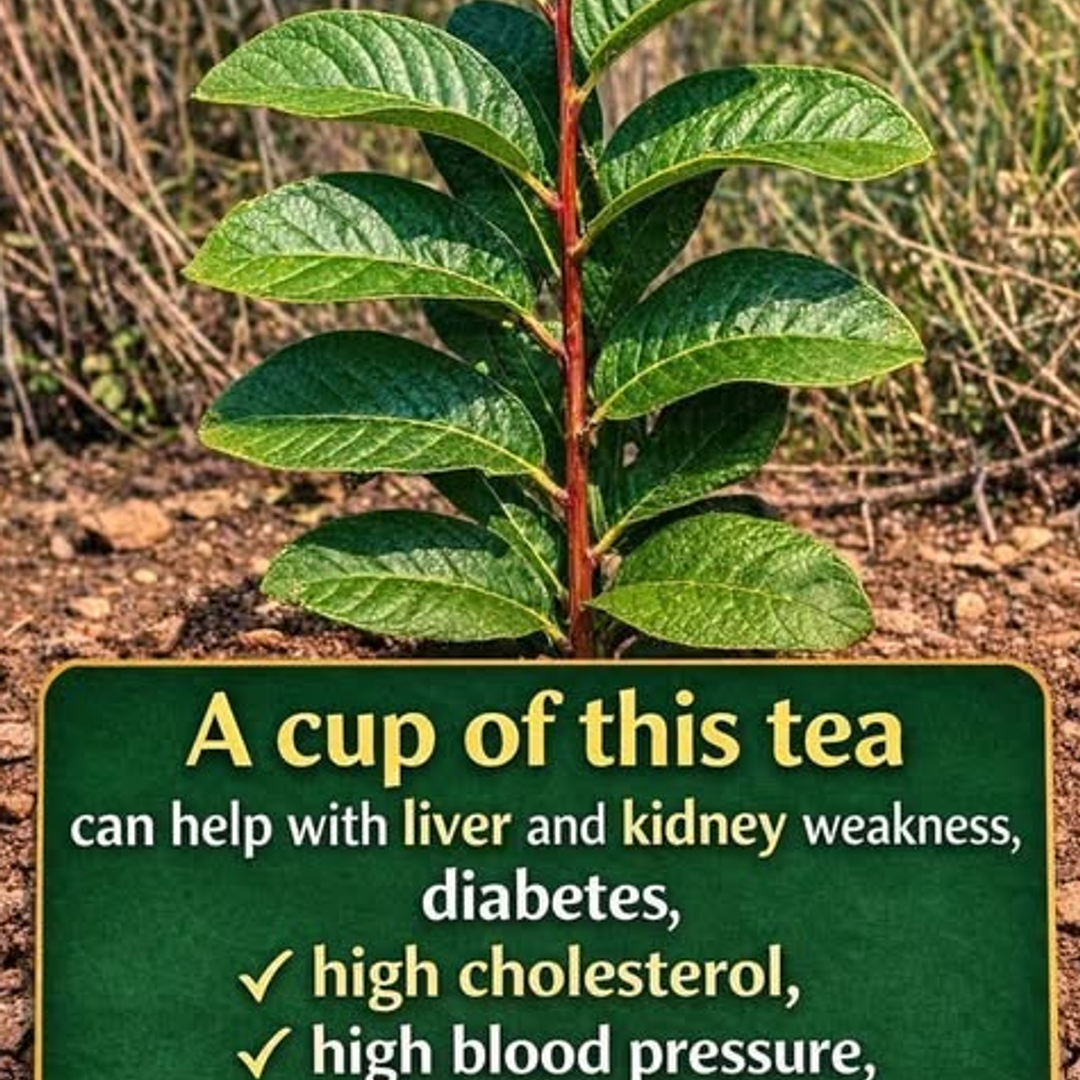
BENEFITS OF GUAVA LEAVES: WHAT THEY ARE FOR AND HOW TO USE THEM CORRECTLY
Embracing the benefits of guava leaves is a fascinating journey that can significantly enhance your health and wellness. As mentioned, the guava leaf tea is just the tip of the iceberg when it comes to the potential applications of these leaves. Let's delve deeper into the various aspects of guava leaves, exploring their traditional uses, scientific backing, nutritional composition, and creative applications that go beyond tea.
Nutritional Composition of Guava Leaves
Guava leaves are often overlooked, but they are packed with essential nutrients and bioactive compounds. Here’s a closer look at what makes them so valuable:
- Antioxidants: Guava leaves are rich in antioxidants like quercetin, flavonoids, and tannins, which help neutralize free radicals in the body. This can reduce oxidative stress and lower the risk of chronic diseases.
- Vitamins and Minerals: They provide essential vitamins such as vitamin C, and minerals like magnesium and potassium, which support various bodily functions, including immune health and muscle function.
- Polyphenols: These compounds contribute to anti-inflammatory and anticancer properties, making guava leaves a valuable addition to a balanced diet.
Traditional Uses of Guava Leaves
For centuries, guava leaves have been a staple in traditional medicine across various cultures. Their uses extend far beyond what’s commonly known today. Here are some traditional applications that highlight their versatility:
1. Digestive Health
Guava leaves have long been used to treat digestive issues. They are known to help in reducing diarrhea, bloating, and stomach cramps. This is attributed to their high tannin content, which has astringent properties:
- Preparation: To make a digestive tonic, combine one handful of fresh guava leaves with 2 cups of water, boil, and let steep. Drinking this infusion can help soothe an upset stomach.
2. Weight Management
Some studies suggest that guava leaves may aid in weight loss by inhibiting the absorption of carbohydrates. This could potentially prevent spikes in blood sugar levels, making it a useful addition for those managing their weight:
- How to Use: Drinking guava leaf tea before meals may help curb appetite. Combine this practice with a balanced diet and regular exercise for optimal results.
3. Oral Health
Guava leaves possess antibacterial properties that could benefit oral health:
- Mouthwash: Prepare a mouthwash by boiling guava leaves in water and letting it cool. Use it as a rinse to combat bad breath and maintain oral hygiene.
4. Anti-inflammatory Properties
Natural anti-inflammatory effects come from guava leaves, making it a potential natural remedy for conditions like arthritis:
- Compression: Boil the leaves, let them cool, and apply as a warm compress to the affected area for relief.
Scientific Studies on Guava Leaves
Modern research supports many traditional claims associated with guava leaves. Several studies highlight their health benefits:
- Antimicrobial Effects: A study published in the Journal of Medicinal Plants Research demonstrates that guava leaf extracts have potent antimicrobial properties. This means they could effectively fight against certain strains of bacteria, including E. coli and Staphylococcus aureus.
- Hypoglycemic Effects: Research has shown that guava leaf tea can help in regulating blood sugar levels, which is particularly beneficial for individuals with diabetes. This can be attributed to the presence of compounds that enhance insulin sensitivity.
- Weight Management: A clinical study indicated that guava leaf extract could help reduce body weight and BMI in obese individuals. The study suggested that these effects might be due to the inhibition of carbohydrate digestion and absorption.
